A delivery driver’s morning routine now starts with loading a route in minutes, a task that used to take managers hours to plan. Thanks to software, the driver travels fewer miles, makes more stops, uses less fuel, and gets home sooner. This is the benefit of effective route optimization.
The technology behind intelligent routing has matured rapidly. Businesses that once accepted inefficient travel as a cost of doing business now treat wasted mileage as a problem with a solution.
According to Straits Research, the global route optimization software market was $7.93 billion in 2024 and is expected to reach $25.75 billion by 2033. North America makes up about 28% of this market, led by e-commerce, manufacturing, and retail businesses that rely on efficient transportation.
But the numbers only matter if they translate to real outcomes. They do.
Table of Contents
Fuel is key to fleet efficiency, accounting for about half of costs, according to Fleetio. Minor improvements add up quickly across a fleet.
Route optimization can reduce fuel costs by up to 25%, according to NextBillion.ai. Geotab reports that businesses can reduce mileage by 15-30%, resulting in fewer gallons of fuel consumed.
At a large scale, the impact is clear. UPS estimates its ORION routing system saves about 100 million miles and 10 million gallons of fuel each year. These savings do not require new vehicles, infrastructure changes, or more staff. They come from better stop orders and smarter route choices.
These benefits aren’t limited to large companies. For example, a regional distributor with 20 vehicles can also reduce annual fuel costs, depending on their routes and daily mileage. The savings apply to any size operation.
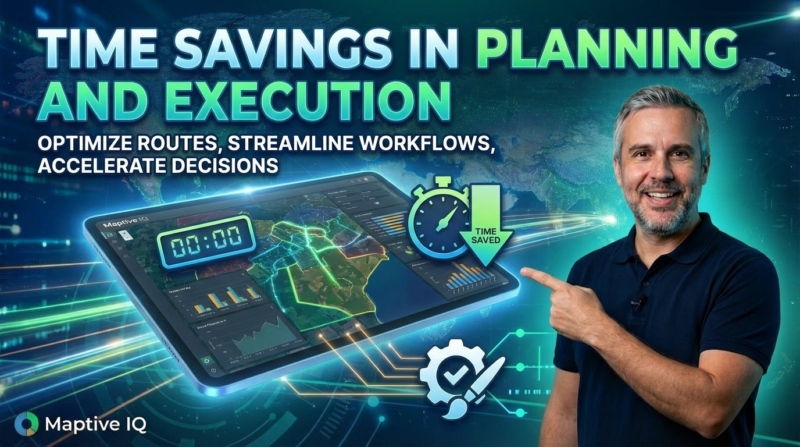
Manual route planning takes hours, but automated systems can cut it down to minutes, according to FarEye.
Not only are routes created faster with optimization software, but they also deliver better outcomes. Bambi reports that automated systems can lower fuel costs by up to 20% and reduce travel time by up to 28%. More stops mean more deliveries, sales calls, or service visits, directly increasing potential revenue.
Less drive time means sales teams meet more clients, technicians finish more jobs, and drivers deliver more packages.
One field service company cut planning time in half, reduced driving by 25%, and boosted monthly sales by 20% using route optimization. Shorter, predictable routes help drivers feel less tired and more effective.
If a field sales rep saves 90 minutes of driving each day, they gain over 30 hours a month. This extra time can be used for prospecting, follow-ups, or covering a larger area without more extended workdays.
Last-mile delivery, which is the final step of getting a package to the customer, is now the most expensive part of shipping. Statista reports that from 2018 to 2023, last-mile costs grew from 41% to 53% of total shipping costs. Now, about half of the shipping expenses go to this final stage.
Each failed delivery costs about $17.20. Failures mean rescheduling, extra driver time, and customer complaints. Route optimization ensures accurate arrival times and timely deliveries.
As costs rise, so do customer expectations: 80% expect free shipping over a certain threshold, and 66% want it on all orders. In 2024, shoppers expect 3.5-day delivery, two days faster than in 2012.
Importantly, 92% of people say free shipping influences their buying decisions, up from 83% in 2023. Meeting these expectations is costly without optimized routing, but manageable with it.
Route optimization helps businesses use their vehicles and drivers more efficiently each day.
As a result, Routific reports that route optimization can improve trucking fleet efficiency by 20% to 30%. These improvements come from removing inefficient routes, making drivers happier, and giving more accurate arrival times, which help with on-time deliveries.
According to Ridecell, companies using route optimization often cut fuel costs by 15% to 20% and improve fleet efficiency. Using resources more effectively means fewer idle trucks, less downtime, and more consistent performance.
Ridecell says optimized delivery zones can cut mileage by 20-30%. This lowers costs and emissions. Shorter routes also let drivers make more stops during their shifts, increasing productivity.
Geotab reports that optimized routes can raise on-time arrivals to 98% and cut mileage by 15-30%, thereby lowering fuel costs.
Manual route planning cannot account for the variables that affect actual travel times. Traffic patterns change. Road conditions vary. Service times at each stop differ. Automated routing systems factor in these variables using historical data and real-time updates.
Automated routing delivers estimated arrival times with 90-95% accuracy, according to Upper. The system factors in actual driving conditions, historical traffic patterns, and realistic service times at each stop.
This predictability helps with scheduling. When planners know how long routes take, they can better allocate driver hours and avoid overtime.
Lower mileage means fewer emissions. Route optimization helps companies meet sustainability goals and save money. Less time driving means lower fuel use and reduced carbon emissions.
Fleets without electric vehicles also benefit from improved routing, resulting in environmental benefits. Less driving reduces pollution, and the cost savings are immediate.
Route-planning software reduces administrative work for dispatchers and managers. Automating scheduling frees up time for crucial projects, says Ridecell.
A dispatcher who previously spent four hours planning routes may now spend just 30 minutes reviewing and refining automated plans. These time savings accumulate, reducing the risk of planning mistakes.
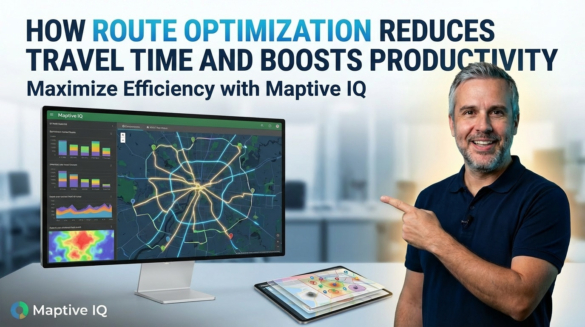
Maptive offers a platform that helps field teams, delivery fleets, and sales organizations cut travel time and boost productivity. Our software turns spreadsheet data into interactive maps for business analysis. Anyone can create optimized routes quickly with our easy-to-use interface, even without mapping experience.
Our route optimization can handle up to 70 stops per route. Real-time traffic updates let drivers adjust as needed. Geocoding automatically converts addresses into mapped locations. These features help lower transportation costs, reduce vehicle wear, and give reps more time with customers and less time behind the wheel.
Faster routes let sales teams meet more clients each day. Less time driving means more time selling, so teams can earn more without adding staff or working longer hours.
To learn more, sign up for a free 10-day trial and schedule a demo to see how optimized routing can lower your costs and help your team serve more customers. No credit card is needed to start.

Fred Metterhausen is a Chicago based computer programmer, and product owner of the current version of Maptive. He has over 15 years of experience developing mapping applications as a freelance developer, including 12 with Maptive. He has seen how thousands of companies have used mapping to optimize various aspects of their workflow.

 Call Us: