




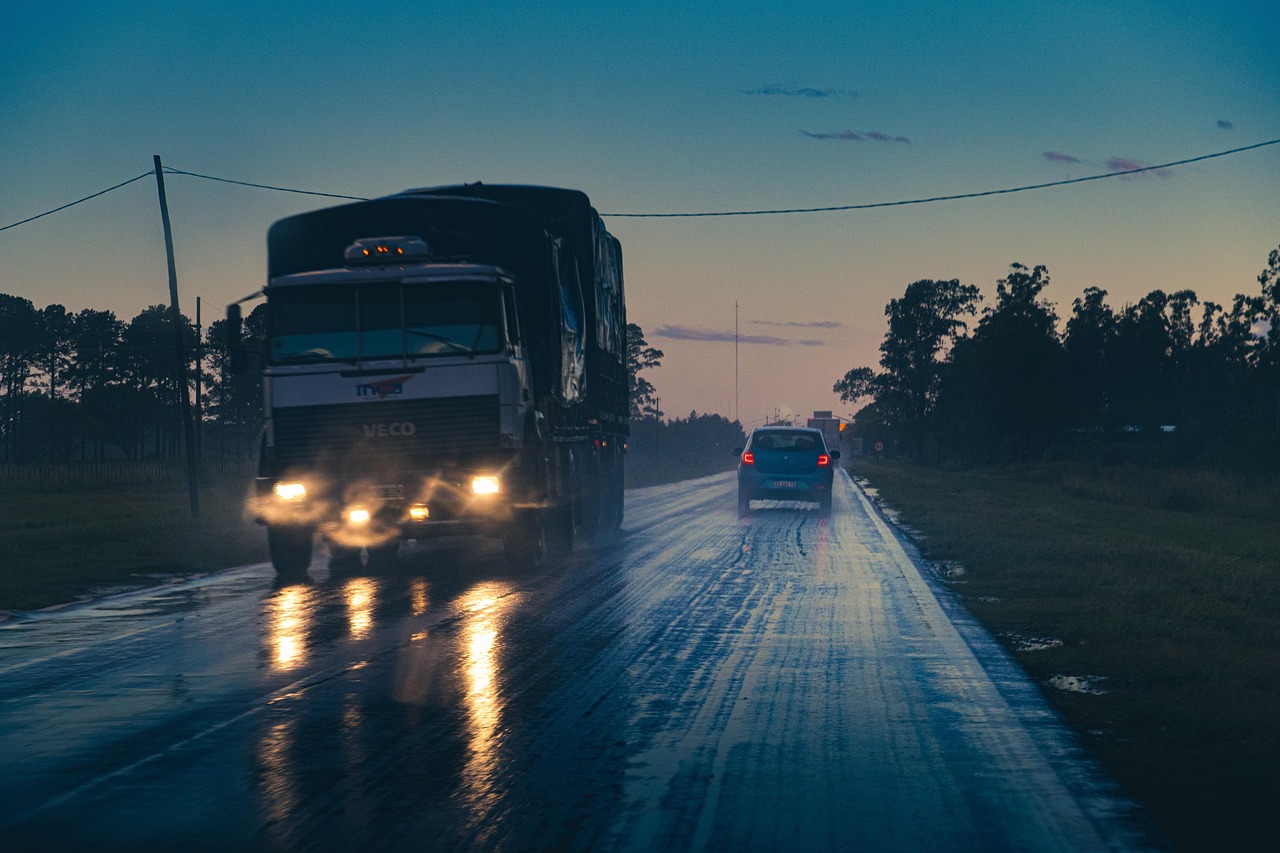
A delivery van leaves the warehouse at 7 AM with 18 stops to make. The driver is familiar with the area, has a printed list, and expects the route to work itself out during the day.
By noon, fuel costs are higher than expected, two customers have received late deliveries, and one package was missed because no one was home. This situation happens every week for thousands of independent retailers, and the costs add up quickly.
Last-mile delivery costs now account for 53% of total shipping expenses, according to Statista data from 2023, up from 41% in 2018. For retailers operating without massive logistics networks, this cost pressure squeezes already tight margins. The good news is that mapping tools have become accessible enough to give smaller operations the same optimization capabilities that large retailers have relied on for years.
The Real Cost of Inefficient Routes
Labor makes up 50-60% of last-mile delivery costs. If routes are inefficient, these costs go up without increasing the number of deliveries.
Extra miles from inefficient routes can make up as much as 10% of a fleet’s total mileage. This may seem minor, but over months or a year, it adds up. For small retailers with just a few vehicles, this can mean thousands of dollars lost each year. Failed deliveries make things worse. The average cost for a failed delivery in the U.S. is $17.20, according to Loqate research.
The same study found that 24% of businesses say more than 1 in 10 deliveries fail on the first try. Each failed delivery means a second trip, which doubles the cost and frustrates the waiting customer.
What Customers Actually Want
Customer expectations have changed. According to AlixPartners’ 2024 Home Delivery Survey, shoppers now expect orders to arrive in 3.5 days, which is two days faster than in 2012 when the survey began.
But speed is no longer the main factor for shoppers. McKinsey research found that speed was the top delivery priority in 2022, but by 2024 it dropped to fifth place. Now, reliability matters most. Over 95% of people surveyed prefer free standard delivery instead of paying for faster shipping. Also, 92% of shoppers say free shipping affects their buying decisions, up from 83% in 2023.
This is a chance for independent retailers. Customers do not always need next-day delivery. They want their packages to arrive as promised, without problems or extra charges. Optimized routes help retailers meet these needs and keep shipping costs low.
How Route Optimization Changes the Math
Route optimization software considers many factors simultaneously, such as delivery addresses, time windows, traffic, vehicle capacity, and driver schedules. It creates delivery plans that are much better than manual planning can.
The benefits show up in key business numbers. Companies that switch from manual planning to advanced route optimization software can cut transport costs by 10-30%, according to Paragon Routing.
Companies that integrate route planning software report a 15-20% reduction in operational expenses, according to WorkWave research. Route optimization software can reduce drive time and fuel costs by 20-30%.
Fleet productivity goes up by 20-25% with better use of vehicles and loads, according to WorkWave. Blackheath Products saw a 20% drop in total mileage after implementing route-planning software, according to Aptean.
The Stakes for Customer Retention
How well you deliver orders directly impacts repeat business. FarEye’s Last Mile Mandate Consumer Survey found that 85% of shoppers will not return to a retailer after a bad delivery experience.
For independent retailers, losing a customer because of a delivery problem means more than just losing one sale. It costs money to get new customers, and long-term value depends on keeping them. A failed delivery does not just cost $17.20 for a second attempt. It can mean losing all future sales from that customer.
Making sure deliveries are successful on the first try is more important than speed. Mapping tools help retailers plan routes that fit delivery windows, provide drivers with the correct addresses, and enable real-time changes if needed.
Leveling the Playing Field
Large retailers have built sprawling logistics networks with dedicated distribution centers, massive vehicle fleets, and teams of logistics professionals. Independent retailers cannot replicate these resources. What they can do is access the same optimization technology that makes those large operations efficient.
The route optimization software market grew from $7.75 billion in 2024 to $8.86 billion in 2025, reflecting a compound annual growth rate of 14.3%, according to The Business Research Company. Projections show the market reaching $15.22 billion by 2029. This growth indicates that businesses of all sizes are recognizing the value of optimization tools.
Technology serves as an equalizer. Customer notifications, automated tracking, and route management systems have become affordable for businesses operating on limited budgets. Minor improvements in logistics processes create measurable gains in customer satisfaction without requiring enormous investments.
Practical Applications of Mapping Tools
Maptive gives independent retailers a platform with strong mapping features, but without the complexity of big enterprise systems. The route-planning software finds efficient routes for up to 25 locations and 73 stops, calculating distances and travel times for each stop.
Our platform fully integrates with Google Maps, automatically calculating the shortest stop sequences. With global coverage, 99.99% uptime, and continuously updated data, retailers can trust the routing suggestions they receive.
Maptive connects with standard CRM software, including Salesforce, Zoho, Keap, Pipedrive, and HubSpot. Interactive maps update in real time when new data points enter the system, and CRM connections keep information synchronized. This reduces the risk of errors caused by outdated records.
The Drive-Time Radius feature shows which locations are within driving distance from any point on your map, making it easy to set service areas. Optimized territories can boost sales productivity by 20% and cut costs by up to 15%. Retailers using territory optimization have seen sales go up by as much as 7% by better matching resources to customer demand.
Independent retailers can use our territory management, multi-stop route optimization, drive-time tools, and CRM integrations to plan more efficient routes, work more effectively, and protect their profit margins.
Try Maptive free for 10 days and see how our platform can help your retail business improve delivery routes, reduce costs, and keep customers coming back.